
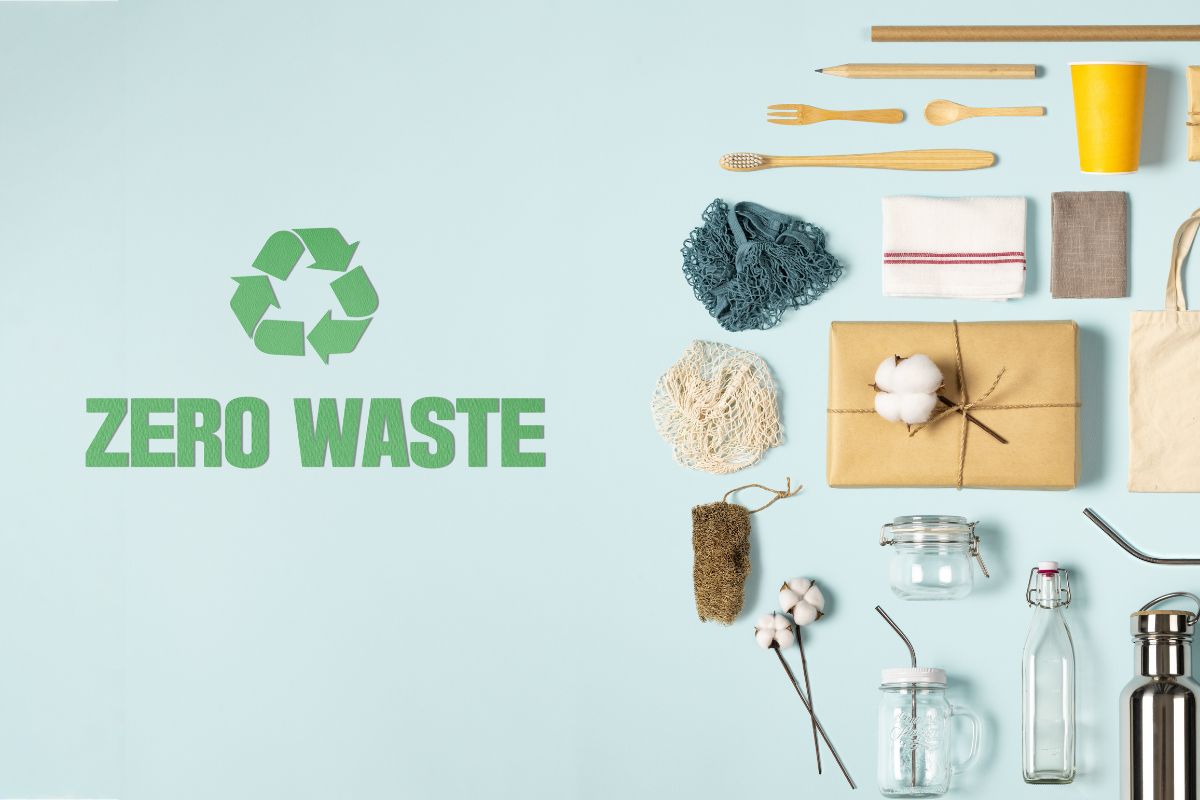
Zero Waste Lifestyle In today’s fast-moving world, waste has become a normal part of daily life. From plastic packaging to food leftovers, we throw away more than we realize. This growing waste problem is harming our environment, wildlife, and even our health. A zero waste lifestyle offers a powerful solution. It encourages us to reduce waste, use resources wisely, and live more sustainably. Adopting a zero waste lifestyle may seem challenging at first, but even small steps can create a big positive impact.
Table of Contents
What Is a Zero Waste Lifestyle?
A zero waste lifestyle is a way of living that aims to reduce the amount of waste we send to landfills and oceans. It focuses on mindful consumption, reusing items, recycling properly, and composting organic waste. The goal is not perfection but progress—making better choices that reduce harm to the planet.
Zero waste living follows the 5 R’s:
- Refuse what you don’t need
- Reduce what you do need
- Reuse what you have
- Recycle what you cannot reuse
- Rot (compost) organic waste
These principles help us rethink our habits and become more responsible consumers.
Why Zero Waste Lifestyle Matters
The amount of waste generated globally is increasing every year. Plastic waste is choking oceans, landfills are overflowing, and harmful chemicals from waste are polluting soil and water. A zero waste lifestyle helps address these problems by reducing waste at the source.
By choosing reusable items, avoiding single-use plastics, and buying only what we need, we can significantly cut down waste. This lifestyle also helps conserve natural resources, reduce pollution, and lower greenhouse gas emissions, which play a major role in climate change.
Environmental Benefits of Zero Waste Living
One of the greatest powers of a zero waste lifestyle is its positive impact on the environment. When we reduce waste, we reduce the need for landfills and incinerators. This leads to cleaner air, water, and soil.
Using reusable bags, bottles, and containers reduces plastic pollution. Composting food waste returns nutrients to the soil instead of producing methane gas in landfills. Recycling properly saves energy and reduces the need for raw materials. Together, these actions help protect ecosystems and wildlife.
Health Benefits of a Zero Waste Lifestyle
Zero waste living is not just good for the planet; it’s also good for our health. Many zero waste choices involve using natural, chemical-free products and eating fresh, unpackaged foods. This reduces exposure to harmful toxins found in plastics and processed products.
Cooking at home, buying local produce, and reducing packaged food often lead to healthier eating habits. Cleaner surroundings and reduced pollution also contribute to better physical and mental well-being.
Economic Benefits: Saving Money by Wasting Less
Contrary to popular belief, a zero waste lifestyle can save money. When you buy less and use items longer, you naturally spend less. Reusable products like cloth bags, steel bottles, and refillable containers may cost more initially, but they save money in the long run.
Buying in bulk, repairing items instead of replacing them, and avoiding unnecessary purchases help reduce expenses. A zero waste lifestyle teaches us to value quality over quantity, leading to smarter spending habits.
Simple Steps to Start a Zero Waste Lifestyle
Starting a zero waste lifestyle does not require drastic changes overnight. Begin with small, manageable steps:
- Carry a reusable water bottle and shopping bag
- Say no to plastic straws and cutlery
- Choose products with minimal packaging
- Use cloth instead of paper towels
- Compost kitchen waste if possible
As these habits become routine, you can explore more changes, such as making your own cleaning products or switching to reusable personal care items.
Zero Waste at Home
The home is the best place to begin a zero waste journey. In the kitchen, reduce food waste by planning meals and storing food properly. Use reusable containers instead of plastic wrap. In the bathroom, switch to bar soaps, refillable shampoos, and bamboo toothbrushes.
Decluttering your home also supports zero waste living. Donate, sell, or repurpose items instead of throwing them away. A clutter-free home is not only sustainable but also calming and organized.
Zero Waste in Daily Life
Zero waste habits can be applied everywhere—at work, school, and while traveling. Carry your own lunchbox, coffee cup, and cutlery. Choose digital bills and notes instead of paper. Support brands and businesses that follow sustainable practices.
Traveling zero waste may seem difficult, but packing reusable essentials and avoiding disposable items can make a big difference. Every effort counts.
The Power of Individual Action
One person’s actions may seem small, but when many people adopt a zero waste lifestyle, the impact is huge. Individual choices influence market demand and encourage companies to create sustainable products. By sharing your journey, you inspire others to rethink their habits.
Zero waste living also builds a sense of responsibility and connection to the environment. It reminds us that our daily choices shape the future of the planet.
Challenges and How to Overcome Them
A zero waste lifestyle comes with challenges, such as limited access to sustainable products or social pressure. The key is to do the best you can with what is available. Focus on progress, not perfection.
Educate yourself, connect with like-minded communities, and celebrate small wins. Remember, every reusable choice is better than a disposable one.
Conclusion: A Lifestyle with Purpose
The power of a zero waste lifestyle lies in its simplicity and impact. By reducing waste, we protect the environment, improve our health, and save money. More importantly, we create a lifestyle that respects nature and future generations.
Zero waste living is not about giving up comfort but about gaining awareness and purpose. When we choose to waste less, we choose a cleaner, healthier, and more sustainable world. Start today—because every small step toward zero waste makes a powerful difference.