
Pollution in Delhi Delhi, India’s capital city, often referred to as the heart of the nation, is known for its rich heritage, vibrant culture, and fast-paced modern life. But in recent years, another image has become associated with the city: a thick blanket of smog, irritated eyes, choking breath, and Air Quality Index (AQI) levels that frequently enter the “hazardous” zone. As of 2025, despite numerous policy measures and public awareness campaigns, pollution continues to be one of the most pressing challenges for Delhi and its residents.
This blog takes a comprehensive look at the causes, impacts, and potential solutions to Delhi’s pollution crisis, presenting a clear picture of what the situation looks like in 2025.
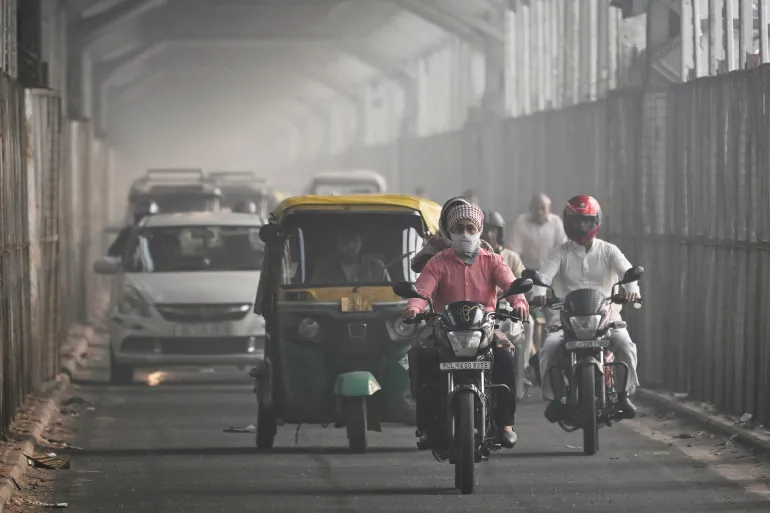
Table of Contents
1. Understanding Pollution in Delhi
Pollution in Delhi is not a new phenomenon. For over a decade, the city has consistently ranked among the most polluted cities in the world. What makes the issue more alarming is the seasonal nature of pollution peaks—particularly during the winter months when the air becomes toxic due to a mix of meteorological conditions and human activities.
In 2025, the average AQI during winter continues to hover between 350 and 500, indicating severe to hazardous conditions. Even during the rest of the year, the city struggles to maintain “moderate” air quality.
2. Major Causes of Pollution in Delhi
2.1 Vehicular Emissions
Delhi’s roads are overloaded with vehicles—from private cars and two-wheelers to heavy-duty trucks. Despite the introduction of BS-VI vehicles and electric mobility initiatives, the sheer volume of traffic continues to contribute significantly to PM2.5 and PM10 levels.
- Over 1.4 crore registered vehicles in Delhi (2025)
- Traffic congestion worsens emissions
- Idling vehicles during peak hours contribute to NOx and CO levels
2.2 Industrial Activities
Industries around Delhi, particularly in areas such as Ghaziabad, Noida, Faridabad, and Sonipat, emit pollutants that drift into the city. Many small-scale industries still rely on low-grade fuels or outdated machinery, adding to the pollution load.
2.3 Construction and Demolition Dust
Rapid urbanization is another major contributor. Dust from construction sites, roadworks, and demolition activities spreads easily into the air, especially during dry weather.
- Delhi NCR sees hundreds of ongoing construction projects yearly
- Lack of dust control measures amplifies particulate matter
2.4 Stubble Burning in Neighboring States
Every year, between October and November, the burning of crop residue in Punjab, Haryana, and parts of Uttar Pradesh leads to a significant spike in pollution levels across Delhi.
Despite government interventions—subsidized machines, awareness drives, and fines—the practice remains prevalent due to economic and logistical factors.
2.5 Meteorological Factors
Delhi’s geography worsens the situation:
- Landlocked region with no sea breeze
- Winter inversion traps pollutants close to the ground
- Low wind speed during winter months prevents dispersion
2.6 Household and Waste Burning
Illegal garbage burning, especially during nights, releases toxic fumes. Some low-income households still depend on biomass or kerosene for cooking, adding to indoor and outdoor pollution.
3. Impact of Pollution on Delhi’s Residents
3.1 Health Implications
Pollution has become a silent public health emergency.
- Rise in asthma, bronchitis, and respiratory infections
- Increased cases of eye irritation, skin allergies, and headaches
- Long-term exposure linked to stroke, cancer, and heart diseases
- Children and elderly citizens remain the most vulnerable
Studies show that a person living in Delhi could lose up to 9–10 years of life expectancy due to continuous exposure to polluted air.
3.2 Economic Impact
The economic cost of pollution is massive.
- Increased healthcare expenditure for families
- Reduced worker productivity
- High maintenance cost of vehicles and machinery
- Loss of tourism during winter months
India is estimated to lose billions of dollars annually due to pollution-related issues.
3.3 Social and Lifestyle Impact
Residents of Delhi find their daily lives affected in multiple ways:
- Reduced outdoor activities
- Children missing school due to high AQI days
- Limitations on sports, jogging, and morning walks
- Psychological distress and anxiety due to prolonged pollution exposure
4. Government Measures to Tackle Pollution in 2025
4.1 Graded Response Action Plan (GRAP)
GRAP remains a critical tool in managing emergency pollution levels. It introduces measures such as:
- Ban on construction during severe pollution
- Restrictions on BS-III petrol and BS-IV diesel vehicles
- Closure of brick kilns and industries violating norms
4.2 Odd-Even Scheme
The odd-even rule for vehicles is reintroduced during peak pollution months to reduce traffic and emissions. Though helpful, its impact remains temporary.
4.3 Promotion of Electric Vehicles (EVs)
Delhi’s EV policy aims to make 25% of new vehicle registrations electric. Charging stations have increased, and subsidies continue to attract buyers.
4.4 Monitoring Air Quality
Delhi has one of the highest numbers of air quality monitoring stations in India. Real-time AQI data helps the public make informed decisions.
4.5 Smog Towers
Smog towers set up in Connaught Place and Anand Vihar aim to reduce particulate matter concentration. While their effectiveness is debated, they offer localized relief.
4.6 Public Awareness Campaigns
Programs encourage citizens to:
- Reduce waste burning
- Use public transport
- Maintain vehicle engines
- Practice eco-friendly habits
5. Community and Individual Efforts
While government policies are essential, community participation is equally important.
5.1 Carpooling and Public Transport
Using Delhi Metro, buses, or carpooling can greatly reduce traffic congestion and emissions.
5.2 Avoiding Firecrackers
Despite regulations, firecracker usage during festivals worsens pollution. Public cooperation is crucial.
5.3 Greening the Environment
Planting trees, maintaining home gardens, and supporting green rooftops can improve air quality over time.
5.4 Reducing Household Pollution
Using cleaner fuels, avoiding incense burning, and ensuring proper ventilation helps reduce indoor pollution.
6. Technology & Innovation in Pollution Control
Delhi in 2025 is increasingly adopting technology to monitor and improve air quality.
6.1 AI-Based Air Quality Predictions
Advanced models predict pollution spikes, enabling authorities to take preventive action.
6.2 Anti-Smog Guns
Used at construction sites to spray water mist and suppress dust.
6.3 Clean Energy Transition
Solar panels, wind energy, and biofuel initiatives are gaining popularity.
7. The Road Ahead: What Can Be Done?
A long-term solution requires multi-layered strategies.
7.1 Strengthening Public Transport
Increasing bus fleets, improving last-mile connectivity, and expanding metro routes.
7.2 Controlling Stubble Burning
Encouraging crop diversification, providing machinery, and creating alternative uses for crop residue.
7.3 Urban Planning Reforms
Implementing green belts, reducing concrete surfaces, and planning sustainable growth.
7.4 Enforcing Strict Industrial Regulations
Industries must adopt cleaner technologies and follow emission standards strictly.
7.5 Engaging Citizens
Schools, NGOs, and communities should continue awareness campaigns about pollution control.
8. Conclusion
Pollution in Delhi is a complex issue with environmental, social, and economic dimensions. In 2025, the challenges remain enormous, but so do the opportunities for change. Awareness among citizens, technological advancements, and determined policymaking can collectively lead the city toward cleaner skies.
A healthier Delhi is not a distant dream—it requires consistent effort, cooperation, and a commitment to protecting the environment. Every small step counts, whether it’s reducing traffic, planting trees, or choosing cleaner energy. The fight against pollution is not just for the government—it’s a responsibility shared by all.