India is a land of diverse climates, and among all the seasons, winter holds a special charm that captivates the heart of every traveler. As the sweltering heat of summer fades away and the monsoon clouds drift past, the crisp, cool air of winter sweeps across the country — bringing with it a new sense of freshness, festivity, and beauty. The winter season in India, stretching roughly from November to February, transforms the nation into a wonderland of contrasts — snow-capped mountains in the north, misty mornings in the plains, and golden sunshine in the south.
Let’s dive into what makes winter in India so enchanting — from weather patterns and cultural festivities to travel destinations, foods, and lifestyle changes that define this cozy season.
Table of Contents
1. The Beauty of Indian Winter
Unlike the harsh winters of Western countries, Indian winter is relatively mild and delightful. In the northern states, the temperature can drop close to freezing, with places like Kashmir, Himachal Pradesh, and Uttarakhand blanketed in snow. Meanwhile, in the southern and coastal regions, the weather becomes pleasantly cool, making it the perfect time for outdoor activities and travel.
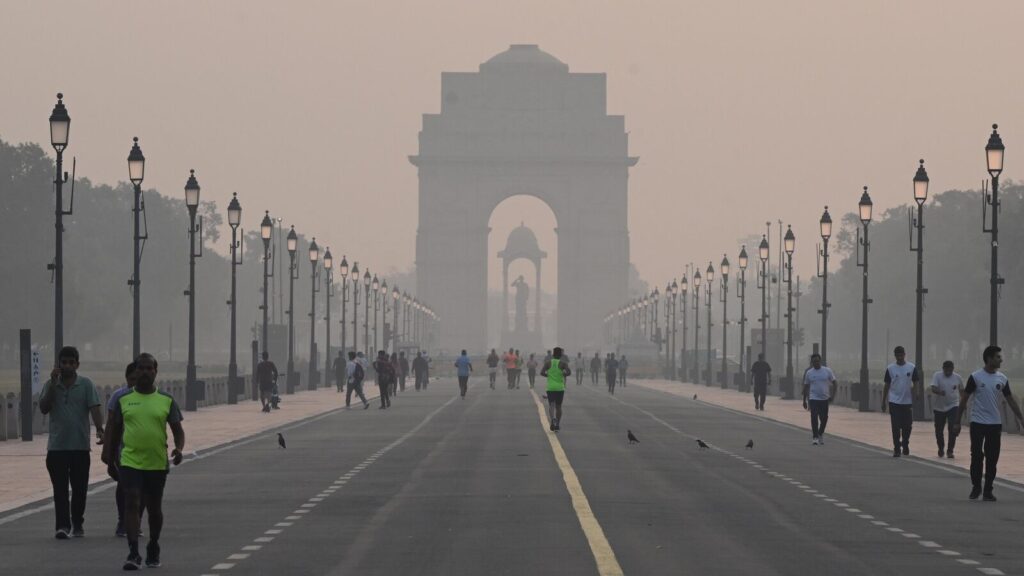
In Delhi and northern plains, early mornings often begin with fog, dew on the grass, and a cup of steaming chai in hand. The central plateau enjoys cool breezes, and the southern peninsular region, from Kerala to Tamil Nadu, experiences a gentle drop in temperature that makes it ideal for beach vacations. It’s a season where every corner of the country has something unique to offer — from snow adventures to sunny escapes.
2. The Spirit of Festivals and Celebrations
Winter in India is also the season of festivals. Almost every week brings a reason to celebrate — a reflection of India’s deep cultural and spiritual diversity.
- Diwali often marks the beginning of winter in northern India, filling homes with lights, sweets, and fireworks.
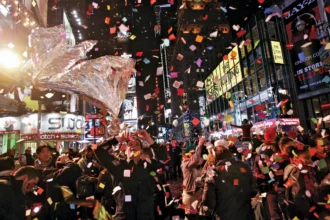
- Christmas is celebrated with great joy across the country, from the colonial streets of Goa to the hill stations of the Northeast. Churches are adorned with stars, candles, and carols that echo in the cool night air.
- Lohri, Makar Sankranti, and Pongal mark the harvest festivals celebrated in January — symbolizing prosperity, warmth, and community spirit.
- Republic Day (26th January), one of India’s most patriotic events, is best experienced in Delhi with its grand parade showcasing India’s strength and unity.
These festivals bring people together, creating a beautiful blend of colors, lights, music, and joy that brighten even the chilliest days.
3. Winter Travel: India’s Most Magical Destinations
Winter is undoubtedly the best season for traveling across India. The weather is comfortable, the skies are clear, and the landscape is at its most picturesque. Here are some must-visit destinations during this time:
a) Snowy Escapes of the North
- Shimla, Manali, and Auli: These hill stations in Himachal and Uttarakhand turn into snowy paradises perfect for skiing, snowboarding, and cozy cabin stays.
- Gulmarg and Srinagar (Kashmir): Known as India’s winter wonderland, Kashmir’s snow-covered valleys and frozen lakes create postcard-perfect scenes.
- Leh-Ladakh (for the daring): Though extreme, winter treks like the Chadar Trek on the frozen Zanskar River attract adventure lovers.
b) Cultural Trails in Central and Western India
- Rajasthan: The desert state is most comfortable in winter, offering travelers a royal experience in cities like Jaipur, Udaipur, Jaisalmer, and Jodhpur. The cool breeze and golden sands make camel rides and fort visits magical.
- Gujarat: The famous Rann of Kutch Festival lights up the white salt desert with folk music, dance, and traditional art.
c) Tropical Bliss in the South
- Kerala: The backwaters of Alleppey, hill stations like Munnar, and beaches in Kovalam shine brightest during winter, with pleasant weather and fewer rains.
- Goa: Winter is the peak party season here, with Christmas and New Year bringing lively beach festivals and international tourists.
- Tamil Nadu & Karnataka: Heritage sites, temples, and coffee plantations offer tranquil escapes.
d) Offbeat and Eastern Gems
- Sikkim, Meghalaya, and Arunachal Pradesh: These northeastern states are lush, serene, and filled with scenic valleys, monasteries, and waterfalls.
- Darjeeling: Famous for its tea gardens and view of Kanchenjunga, it’s a picture-perfect winter retreat.
4. Winter Foods: Comfort on a Plate
No discussion about winter in India is complete without mentioning its delicious seasonal foods. Every region boasts a special winter menu that not only warms the body but also nourishes it.
- North India: Indulge in sarson da saag and makki di roti, ghee-laden parathas, gajar ka halwa, and hot milk with turmeric or saffron.
- East India: Bengal celebrates winter with sweet delights like nolen gur (date palm jaggery) sandesh, pithe-puli, and warm curries.
- West India: Gujarat’s undhiyu and Rajasthan’s gatte ki sabzi are traditional winter staples.
- South India: Steaming rasam, pongal, and millets make the southern diet healthy and comforting during the season.
Street food also flourishes — think of roasted peanuts, sweet potatoes, momos, and spicy tea — all best enjoyed on chilly evenings.
5. Lifestyle and Fashion During Winter
Winter brings a refreshing change in India’s lifestyle and fashion. People swap their cotton outfits for woolen sweaters, scarves, and jackets. Markets are filled with colorful shawls from Kashmir, hand-knitted caps, and cozy blankets.
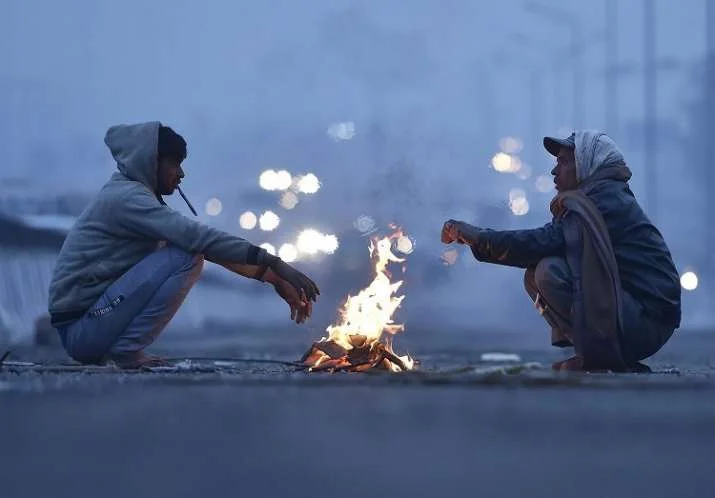
Bonfires, rooftop parties, and outdoor picnics become common scenes. Early mornings are often greeted with yoga in the open air, and evenings are spent around heaters or campfires sipping hot drinks.
It’s also the season of weddings in India — with clear skies, cool air, and endless celebrations that often last for days. Winter weddings are grand, vibrant, and filled with warmth — both emotional and literal!
6. Health and Wellness in Winter
The cold weather can sometimes make people sluggish, but Indian traditions offer natural ways to stay healthy. Ayurveda recommends warming foods like sesame, ginger, and honey during winter to boost immunity. Herbal teas with tulsi, cinnamon, or clove are also popular home remedies.
Morning walks, moderate exercise, and sunbathing (for vitamin D) are essential to maintain energy levels. Winter is also a good time for self-care — from oil massages to skincare routines that combat dryness caused by the cold.
7. Winter Photography and Experiences
For photographers and travelers, India in winter offers magical visuals — misty mornings, golden sunsets, snow peaks, and lively festivals. Nature lovers can witness migratory birds at sanctuaries like Bharatpur, Chilika Lake, and Sultanpur. Wildlife parks such as Ranthambore, Kanha, and Jim Corbett are also best explored in winter when animals come out to bask in the sun.
From adventure to relaxation, spirituality to gastronomy — winter gives every traveler a reason to fall in love with India again.
8. The Emotional Charm of Winter
Beyond weather and travel, winter holds a deeper emotional charm in India. It’s a time when families come closer, sharing laughter over hot meals and long conversations. There’s an unspoken nostalgia in the air — the joy of holidays, cozy blankets, and the peaceful silence of cold nights.
For many, winter feels like a pause — a chance to slow down, reflect, and prepare for new beginnings.
Conclusion: The Season of Warmth Within Cold
The winter season in India is not just about temperature — it’s an experience of contrasts and connections. From snowflakes in the Himalayas to the sun-kissed beaches of Goa, from spicy street food to sacred festivals, winter celebrates the beauty of India’s diversity.
It’s a season that teaches us how warmth doesn’t always come from the sun — sometimes, it comes from people, culture, and the joy of simple living.
So, whether you’re sipping hot chai in a foggy Delhi morning or watching the waves crash in Kerala at sunset, winter in India is sure to leave you with memories that linger long after the season has passed.